Clear Charge Solutions

The Rise of Contactless and Digital Payments: What It Means for Businesses in 2026

The Rise of Contactless and Digital Payments: What It Means for Businesses in 2026

The way customers pay is evolving faster than ever. Over the last few years, contactless payments, mobile wallets, and digital checkout experiences have rapidly moved from “nice-to-have” features to customer expectations. In 2026, businesses that adapt to these payment trends are seeing higher sales, faster transactions, and improved customer satisfaction.

For merchants, understanding how payment technology is changing—and choosing the right payment processing partner—can make a significant difference in both revenue and operational efficiency.

Contactless Payments Are Becoming the Standard

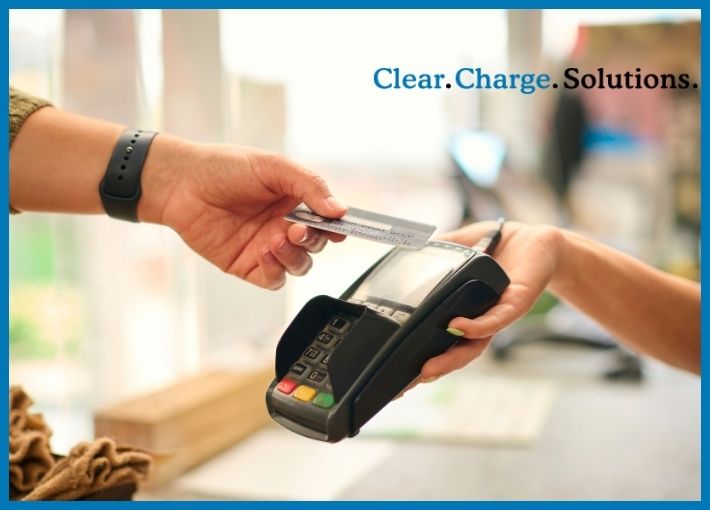
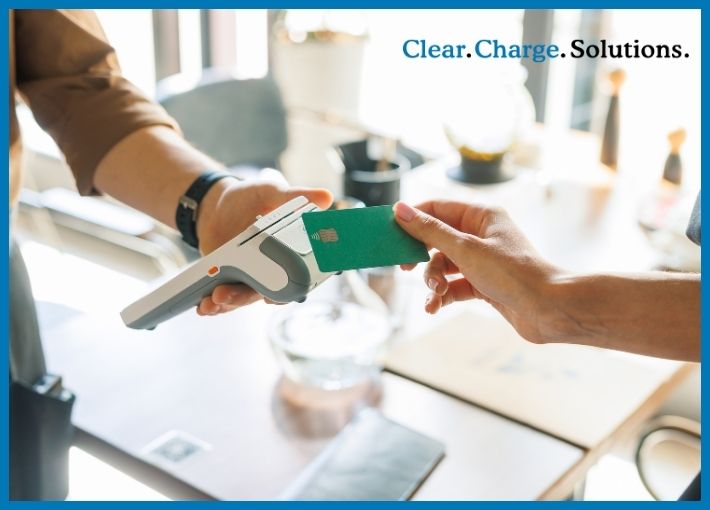
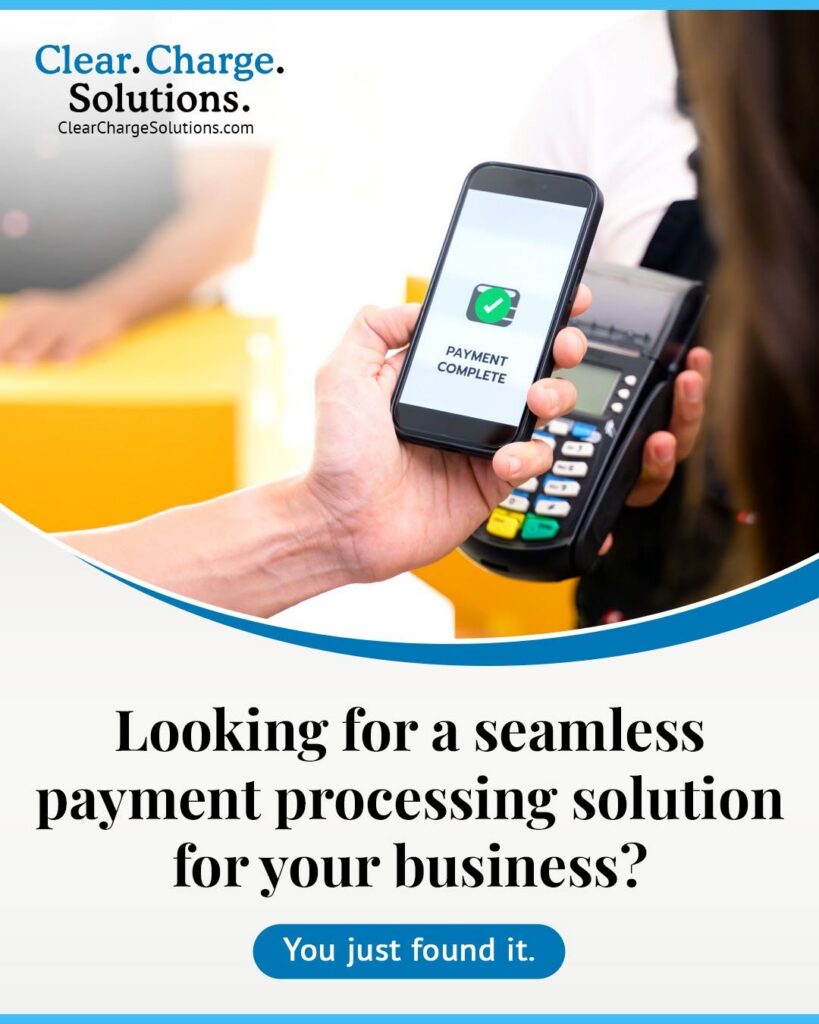
Tap-to-pay technology has transformed the checkout experience. Instead of inserting a card or handling cash, customers can simply tap their credit card, phone, or smartwatch to complete a transaction in seconds.

Consumers increasingly prefer contactless payments because they are:

  • Faster at checkout
  • More hygienic and convenient
  • Widely accepted across retailers and restaurants
  • Integrated with mobile wallets like Apple Pay and Google Pay

For businesses, this means shorter lines, faster service, and happier customers.

Mobile Wallets Continue to Grow

Mobile payment solutions such as Apple Pay, Google Pay, and Samsung Pay are now used by millions of consumers every day. Many customers no longer carry a physical wallet at all.

Mobile wallets also offer enhanced security features like tokenization and biometric authentication, which help reduce fraud and protect sensitive financial data.

Businesses that accept mobile wallet payments benefit from:

  • Faster checkouts
  • Increased consumer trust
  • Reduced risk of fraud
  • Higher conversion rates for online purchases

Omnichannel Payments Are the Future

Today’s customers expect a seamless payment experience, whether they are shopping online, in-store, or on their phone.

Omnichannel payment solutions allow businesses to accept payments across multiple channels, including:

  • E-commerce websites
  • Mobile devices
  • In-store terminals
  • Virtual terminals for phone orders
  • Recurring billing systems

When all payment systems are integrated, businesses gain better reporting, improved inventory tracking, and a smoother experience for both staff and customers.

Security and Compliance Matter More Than Ever

With the rise of digital payments comes an increased focus on security. Businesses must ensure their payment systems meet strict compliance standards such as PCI compliance to protect customer data and avoid costly penalties.

A trusted payment processor helps businesses maintain compliance, reduce fraud risk, and implement secure payment infrastructure that protects both merchants and customers.

How Clear Charge Solutions Helps Businesses Stay Ahead

At Clear Charge Solutions, we help businesses adapt to the rapidly evolving payment landscape. Our merchant services are designed to support modern payment methods while maintaining security, reliability, and cost efficiency.

We provide solutions including:

  • E-commerce payment processing
  • Mobile and contactless payment solutions
  • Web and phone-based payment systems
  • Integrated payment processing with existing POS or ERP systems
  • Card-present retail transactions

Our goal is simple: help your business accept payments easily, securely, and at the best possible rates.

Future-Proof Your Payment Processing

As payment technology continues to evolve, businesses need flexible systems that can adapt to new trends and customer expectations.

Clear Charge Solutions provides the expertise, technology, and personalized service needed to ensure your payment processing stays efficient, secure, and reliable—today and into the future.

Want to learn how your business can improve its payment processing?

📧 Email: Info@ClearChargeSolutions.com
📞 Call: +1 (406) 605-5056

Schedule a free analysis today and discover how Clear Charge Solutions can help streamline your payments while reducing costs.

Why More Businesses Are Being Dropped by Big Payment Processors—and What to Do About It

In today’s fast-moving digital economy, accepting payments should be simple. Platforms like Stripe, Square, and other large payment processors make it easy to get started—but for many businesses, staying approved has become the real challenge.

Across e-commerce, subscriptions, digital services, and even brick-and-mortar retail, merchant account shutdowns are on the rise. And when it happens, businesses are often left scrambling, with frozen funds, lost revenue, and limited options.

The Growing Problem: Automated Risk & Instant Shutdowns

Most large payment processors rely heavily on automated risk models. While this keeps onboarding fast, it also means:

  • Chargebacks trigger automatic reviews
  • A short spike in disputes can flag your account
  • Business models labeled “high-risk” are shut down without warning
  • Appeals are slow—or nonexistent

For many businesses, especially those operating in subscription billing, CBD, supplements, digital services, travel, or high-ticket sales, one shutdown can label them as “unbankable” across multiple platforms.

Once that happens, simply moving to another mainstream processor often isn’t an option.

Why “Easy Setup” Isn’t Always the Best Long-Term Solution

It’s true—setting up payment processing with a big-name platform is quick. But speed often comes at the cost of:

  • Limited human support
  • Rigid underwriting rules
  • No chargeback strategy
  • No transition planning if something goes wrong

When an account is terminated, funds may be held for months, and businesses are left rebuilding their payment infrastructure from scratch.

That’s where a full-service merchant account provider makes the difference.

How Clear Charge Solutions Protects Your Ability to Get Paid

At Clear Charge Solutions, we take a different approach. Instead of automated, one-size-fits-all processing, we provide hands-on, relationship-driven merchant services designed to keep your business running—especially when challenges arise.

We help businesses by:

  • Matching merchants with banks that understand their industry
  • Managing chargeback risk proactively
  • Ensuring PCI compliance and secure transaction flows
  • Creating seamless transitions if processors need to change
  • Supporting e-commerce, mobile, phone, and in-store payments

Most importantly, we don’t disappear when something goes wrong. Our clients work with real people who understand their business model and advocate on their behalf.

Built for Growing, Complex, and High-Risk Businesses

Whether you operate an online store, manage recurring billing, process card-not-present transactions, or run a retail operation, Clear Charge Solutions offers custom merchant accounts that grow with you.

We proudly support industries that many processors shy away from—including high-risk and emerging markets—by leveraging our network of trusted banks and financial institutions.

Don’t Wait for a Shutdown to Reevaluate Your Processing

If your business depends on reliable payment processing, now is the time to think beyond basic setup. The right partner doesn’t just process transactions—they protect your revenue, your reputation, and your future ability to operate.

📞 Call us: +1 (406) 605-5056
📧 Email: Info@ClearChargeSolutions.com
🔍 Get a Free Analysis and see how much you could save while gaining stability and peace of mind.

Clear Charge Solutions
Enhancing Payment Processing for Businesses

Powering Business Growth in 2026: Payment Solutions Built for the Trends Ahead

2026 brings new opportunities for businesses to streamline operations, boost efficiency, and adopt smarter technologies. As you set your goals for the new year, our payment solutions are here to support your growth — helping you simplify transactions, improve cash flow, and stay ahead in a fast-changing digital economy.

Today’s business landscape is evolving quickly, with trends like automation, digital transformation, data-driven decision-making, and customer-focused innovation shaping how companies operate. These shifts highlight the importance of secure, flexible, and modern payment systems that can adapt to new demands and support long-term success.

Business trends are new developments in the business world that affect a company’s priorities, opportunities, and performance. Business trends are often the result of consumer behavior changes, market demands, economic fluctuations, political events, regulatory changes, and technological advances.

In this article, we’ll discuss 16 of the more crucial business trends for 2025. Afterward, if you’re interested in building your skills in business intelligence, consider enrolling in the beginner-friendly IBM Business Intelligence (BI) Analyst Professional Certificate, where you’ll learn how to generate valuable insights through data warehousing, profiling, and evaluation, leading to informed decision-making and process improvement.

We’ve compiled this list of trends based on insights from some of the leading voices in the business world, including Forbes (global media), McKinsey & Company (consulting), TechTarget (data-driven B2B marketing), the Harvard Business Review (management magazine), HubSpot (marketing software), and LinkedIn (business-focused social media). These trends span multiple industries and may affect a variety of job roles.

Use this list as a starting point for tracking new developments and identifying opportunities to apply them to either a company or your own personal goals.

1. Generative AI

GenAI tools help organizations across industries develop text, audio, and video content, as well as computer programming code, product designs, virtual environments, and simulations for a variety of business situations. For example, a start-up company could use ChatGPT to develop weeks’ worth of content for a brand awareness campaign.

Generative AI can speed up these processes and enable people without technical expertise in a specific area to explore possibilities. For example, you can bring a design idea to life with tools like Midjourney or Adobe Firefly, even if you don’t have training in design.

2. E-commerce 

In recent years, e-commerce has experienced rapid growth, enabling businesses to expand their reach to global markets, sell products directly to consumers, and even develop augmented-reality shopping experiences. According to Statista, e-commerce revenue in the US is expected to increase by $498.2 billion between 2025 and 2029.

3. Remote work, learning, and training

Remote work became incredibly important during the pandemic, and it remains a popular approach. Remote work models allow the business world to operate without relying on physical spaces. Companies can attract global talent, train their employees, and connect with customers using digital collaboration tools. This may enable them to downsize their office footprint. Individuals who work remotely can often experience better work-life balance and upskill quickly on various online education platforms.

4. Increased emphasis on workplace skills 

With the rise of AI tools and automation of tasks like handling routine customer inquiries or scheduling social media posts, employers increasingly value workplace skills and see them as vital to success. Workplace skills, also called human skills or soft skills, refer to abilities like communication, empathy, or leadership that bring a human element to the more technical aspects of your work.

5. Skills-based hiring 

These days, more companies are adopting skills-based hiring practices to find candidates with the right skills for a job, regardless of their degrees or other credentials. According to Test Gorilla’s 2023 State of Skills-Based Hiring Report, over 70 percent of survey respondents said that skills-based hiring is more effective than resumes and see skills-based hiring tools as effective practices.

6. Sustainable practices

With growing concern for the environment and consumers’ demand for eco-friendly products, companies are focusing more on sustainability. Examples include:

  • Circular economy, when products are designed, produced, consumed, and recycled in a closed-loop system to reduce waste and maximize efficiency
  • Raising awareness of “greenwashing,” when companies over-emphasize an eco-friendly aspect of a product while overshadowing its damaging aspects
  • Regulatory compliance, requiring companies to meet eco-friendly standards through reporting, assessments, and product labeling


7. Subscription-based pricing 

Subscriptions refer to when customers pay a recurring fee to get access to a service, such as media streaming, or receive products they need on an ongoing basis. This pricing strategy, and business model, allows companies to generate recurring (and predictable) revenue and foster long-term customer relationships. Subscriptions offer customers convenient and flexible shopping options.


8. Brand partnerships 

Brand partnership, also called co-branding and brand-to-brand marketing, is when companies team up with a complementary brand to offer customers unique experiences, expand their reach, and enhance their brand image. To forge strategic partnerships, you’d look for brands that share similar values, target markets, or business objectives without directly competing with you for customers.

You can partner with large, well-known brands or work with micro-influencers to gain access to smaller niche markets. By partnering with a complementary brand, you could envision new products, services, or events, cross-promote on different marketing channels, offer exclusive content, integrate technologies, or launch a cause-related marketing campaign.


9. Expanding employee benefits 

As companies compete for the best talent, expanding employee benefits has emerged as a trend to help support employees’ well-being. In addition to compensation, health benefits, paid time off, and retirement plans, companies increasingly offer other perks such as recognition programs, professional development opportunities, caregiver benefits, housing subsidies, and employee engagement programs.


10. Immersive technologies

Immersive technologies include augmented reality (AR), virtual reality (VR), and mixed reality (MR) and give businesses new ways to develop products, delight customers, and train employees. Examples include:

  • 3D modeling for product prototyping
  • Training simulations
  • AR for visualizing products before purchasing
  • 3D data visualization
  • AR marketing campaigns


11. Diversity, equity, and inclusion 

Diversity, equity, and inclusion (DEI) efforts have grown in importance as companies see the positive impact of fostering inclusive environments to do business. With a strong DEI program in place, companies can attract and retain top talent and promote inclusivity beyond the workplace.


12. Marketing to digital-savvy Gen Z

As Gen Z comes of age, enters the workforce, and gains purchasing power, businesses are thinking about how to reach these consumers effectively. Gen Z has unique characteristics that businesses should think about when developing products and marketing campaigns. These characteristics include:

  • Digital fluency
  • Preference for short-form content
  • Preference for authenticity and transparency behind brands
  • Passion for cause-based marketing and social impact
  • Tendency to shop, search the internet, and seek entertainment on mobile devices


13. Personalizing customer experiences

Offering personalized experiences to customers at every touchpoint has become essential to businesses, as this approach can drive repeat purchases and customer loyalty. With a strong customer segmentation process and the use of customer relationship management (CRM) tools, you can create experiences that resonate deeply with your customers and appeal to their unique tastes, needs, and preferences.

14. Values-based marketing 

This approach to marketing enables companies to communicate their core values, mission, and purpose to customers. This approach can inspire customer loyalty and brand affinity. Examples of values that your customer base might connect with include:

  • Social responsibility
  • Sustainability
  • Authenticity and transparency
  • Ethical sourcing
  • Quality
  • Customer focus


15. Online community engagement 

Businesses are increasingly building and nurturing online communities in an effort to engage customers with their brands, products, and services. Online communities allow customers to connect, ask questions, share experiences, and get product help. Online communities can also be a great way to leverage affiliate and influencer marketing programs and promote customer-generated content such as photos, videos, reviews, and testimonials.


16. Chatbot customer service 

Chatbot customer service uses artificial intelligence and automation to handle customer inquiries at scale. These tools can reduce help desk wait times, get answers to customers, and connect customers with the right human agent. Chatbots can also capture valuable customer information, including pain points, frequently asked questions, and feedback. You can use this data to improve products, services, and processes.


To lead in the business world and remain competitive, establish a regular practice of monitoring business trends and adapting your strategies accordingly. Here, we offer three proactive ways to stay ahead of the curve and navigate the changing business landscape.

1. Subscribe to the top resources in your industry for trending business ideas. 

Seek out the insights and perspectives of experts and leaders in your industry by subscribing to their blogs, podcasts, social media channels, and research reports. Make time in your schedule to review these resources regularly. Connect with colleagues to discuss emerging business trends and brainstorm the best courses of action.


2. Prioritize which trends to take action on. 

With all the ways businesses and industries are evolving, there are many trends you could pursue. It’s important to take action on the trends most relevant to your career goals and organizational needs. By prioritizing, you can channel your time and energy in the most productive ways.


3. Research what drives trends. 

Underlying factors like politics, economics, market conditions, and industry changes drive every emerging business trend. Gaining a deeper understanding of these factors through research and networking can make navigating the changing and uncertain business landscape easier.

Research is also a great way to assess the potential trajectory of a trend. While we can’t predict with certainty whether a trend will stick or fade away, a data-driven approach can translate to making better-informed decisions.


Adopting the right payment tools can make your daily operations smoother and your customer experience stronger — two essentials for thriving in 2026. Whether you’re upgrading systems or scaling your business, we’re here to help you navigate the trends with confidence. Our secure, affordable, and incredibly simple credit card payment services are designed to get you up and running in no time. Contact us today at (406) 605-5056 or check our IG for more information. 


Reference: [https://www.coursera.org/articles/business-trends]